

The Fed met Wednesday. Held rates steady at 3.5–3.75%. Exactly what the market expected.
But the story wasn’t the decision — it was the updated projections. The dot plot, which maps where each Fed member expects rates to go, now shows just one rate cut in 2026, pushed back to September. Two months ago, two cuts were on the table. One oil spike later, that math has changed.
Jerome Powell stood at the podium and delivered the message as gently as possible: the Fed is watching two fires burn in opposite directions, and it can’t put out both at once. No easy exits. No rate cuts in the near term. And for the first time in this rate cycle, the specter of stagflation — slow growth plus rising inflation — is no longer just analyst chatter. It’s in the room.
Let’s break it down.
⚡ War Room Briefing Card
Five things. Sixty seconds.
Fed holds, dot plot shifts hawkish. Rates held at 3.5–3.75%. Updated projections: one cut in 2026, not two — and not until September at the earliest. Powell’s message: oil-driven inflation delays the calendar.
Oil pulled back — but the Strait is still shut. WTI eased from $101 to around $95/bbl after IEA emergency reserves began hitting the market. Progress. But analysts are clear: 400 million barrels buys weeks, not months. The Strait of Hormuz remains effectively closed.
S&P 500 notched its fourth straight losing week. The index slipped to fresh 2026 lows, down roughly 7% from its January peak. Defensive sectors — utilities, healthcare, staples — held better than growth. The rotation is real.
Bitcoin tested $74,000, retreated, closed above $70,000. Iran de-escalation signals mid-week spooked crypto traders briefly — BTC dropped roughly 5% in an afternoon. It stabilized and closed at approximately $70,400. The $70,000 level held as the key support for the geopolitical hedge thesis.
Consumer weakness isn’t isolated. Nike reported a 9% revenue decline this week, missing on North America and China. Ulta missed last week. Consumers are pulling back on discretionary spending. The trend is broad.
Main Feature: What the Fed Just Said — and What It Actually Means
The Federal Reserve held its benchmark interest rate steady at 3.5–3.75% on Wednesday. That was never in doubt — markets were pricing in a 99% probability of a hold heading into the meeting.
What the market was watching was the updated dot plot and Jerome Powell’s press conference. And on both fronts, the message was less comfortable than “hold.”
The dot plot shifted. The dot plot is the Fed’s internal forecast map — every FOMC member estimates where they think rates should be at the end of each year. In January, the median expectation was two rate cuts in 2026. The new March projection: one cut, expected in September. That’s a meaningful downgrade in how much rate relief the economy will get this year.
Why the shift? Two words: oil and jobs.
Oil above $100/bbl is going to show up in inflation data. CPI was 2.4% in February — that measurement landed before the Strait of Hormuz disruption hit fuel prices, shipping costs, and manufacturing inputs. March and April CPI prints will almost certainly come in higher. The Fed can’t cut rates into an accelerating inflation print without torching its credibility.
At the same time, February’s jobs report showed -92,000 payrolls. Three negative months in five. The labor market, which had been the entire foundation of the “soft landing” story, is wobbling.
This is the trap. Traditionally, the Fed cuts rates when the economy weakens and raises them when inflation rises. When both happen simultaneously — slow growth and sticky inflation — you lose both tools. Economists call this stagflation. It’s not the base case yet. But Powell’s measured, hedged language on Wednesday was the clearest indication so far that the Fed is genuinely worried it could get there.
Powell’s framing: rates will remain “sufficiently restrictive for as long as necessary” to return inflation to 2%. “Data dependent” is Fedspeak for “we’re watching and hoping.”
What this means in practical terms:
Mortgage rates aren’t dropping soon. The 30-year fixed is staying in the 6.5–7% range through at least mid-year. Anyone waiting to refinance or buy is waiting longer.
Cash and short-duration corporate bonds earn real yield. With rate cuts pushed to September, high-grade corporate bonds and money market funds yielding 4%+ provide reasonable return with minimal duration risk while you wait for better equity entry points.
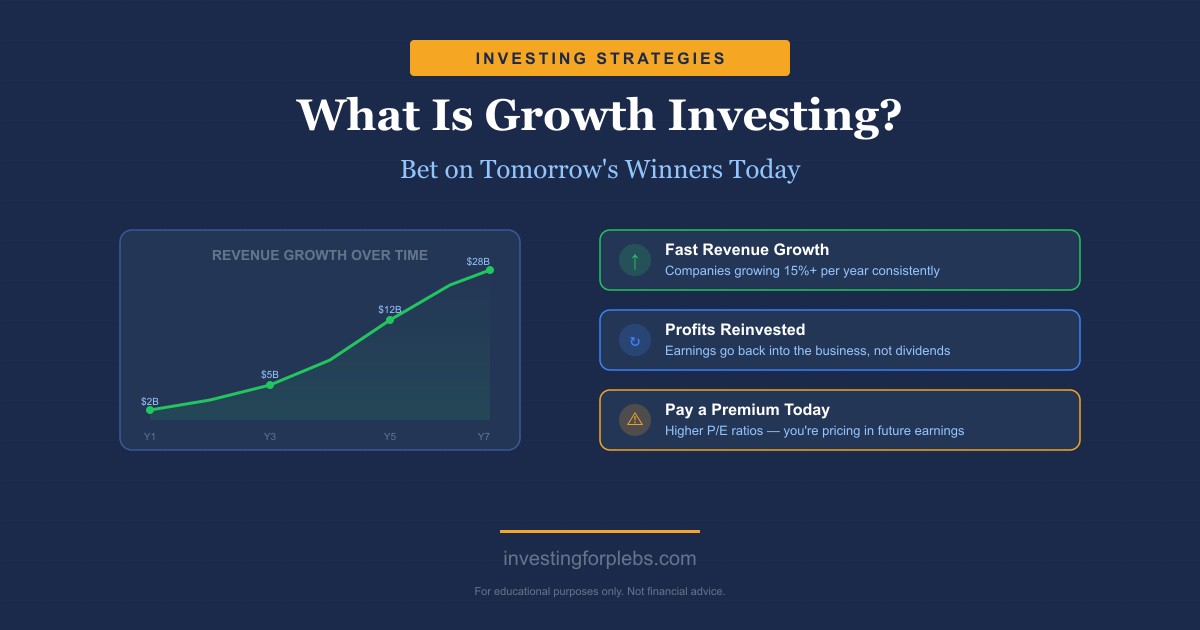
Equity multiples stay compressed. When the risk-free rate is 3.5%+ and cuts are nine months away, expensive growth stocks face a math problem. Boring companies with real earnings and reasonable valuations have a relative edge.
The one thing that changes the whole picture: the Strait of Hormuz reopening. If oil falls back to $75–80 in the next 4–6 weeks, March and April inflation data gets much cleaner, the Fed gets room to cut earlier, and the equity math flips. That’s the variable that overrides everything else right now — more than any earnings report, more than any Powell speech.
Markets at a Glance
Week ending March 20, 2026
| Asset | Close | Weekly % | Notes |
|---|---|---|---|
| S&P 500 | 6,506 | -1.5% | 4th straight losing week; fresh 2026 low |
| Dow Jones | 45,577 | -1.0% | Industrials and consumer dragging |
| Nasdaq | 21,648 | -2.0% | AI infrastructure names holding; consumer tech weak |
| Plebdex | 18,691.14 | -3.0% | See live tracking → (coming soon) |
| Gold | $4,643/oz | -4.0% | Fell sharply on hawkish Fed signal Friday; safe-haven bid fading |
| Oil (WTI) | $95.55/bbl | -5.6% | IEA reserves hit market; Strait still closed |
| Bitcoin | $70,400 | -0.5% | Tested $74,000 mid-week, retreated; holding above $70k |
| 10-Yr Treasury | 4.29% | +14 bps | Rate cut expectations receding |
Quick Hits
Trump vs. Powell, round two. The morning of the FOMC decision, President Trump posted on Truth Social demanding the Fed cut rates “IMMEDIATELY” to offset “war headwinds.” Powell’s response at the press conference was diplomatic and firm: the Fed operates independently based on economic data. The tension is real and it carries a structural dimension — Powell’s term expires May 23. Markets will scrutinize his successor nomination closely for any signal of reduced independence.
Nike’s quarter was a consumer warning sign. Revenue fell 9% year-over-year, missing on North America and China, with management citing tariff costs (Trump’s 15% global tariffs are biting) and consumer softness. Two weeks ago it was Ulta. This week it’s Nike. When discretionary spending contracts at both the lipstick tier and the sneaker tier, it’s not a coincidence — it’s a pattern.
The IEA release: what it does and doesn’t do. The 400-million-barrel emergency reserve release is having an effect — WTI dropped from $101 to around $95. But analysts are blunt about its limits: this is a bridge, not a solution. Emergency reserves buy time for supply disruptions to resolve. They don’t resolve the disruption. As long as the Strait stays closed, oil has a structural floor no reserve release can permanently break.
The Week Ahead
March 23–27, 2026
| Day | Report / Event | What to Watch |
|---|---|---|
| Tuesday | Consumer Confidence | Has FOMC + war news dented forward expectations? |
| Wednesday | Durable Goods Orders | Industrial activity — are businesses still investing? |
| Thursday | Q4 2025 GDP Final | Last clean look at pre-war economic strength |
| Friday | Michigan Consumer Sentiment (final) | Forward-looking; often moves markets |
Note on PCE: February PCE (the Fed’s preferred inflation gauge) is now scheduled for release April 9, not this week. The January 2026 PCE was released March 13, with core PCE running near 2.7%. The February print — which will reflect oil’s Strait disruption impact — arrives in two weeks and will be the clearest early read on whether the March inflation picture is deteriorating as fast as the Fed fears.
No major earnings. Markets trade on geopolitics and data this week.
Keep watching the Strait. Any credible signal of Hormuz reopening negotiations moves oil fast. The IEA reserve release bought time — whether diplomacy or military action uses that window is the question that matters most for Q2.
Closing Thoughts
The Fed has done its job this week in the narrow sense: held rates, communicated clearly, didn’t panic. But “clearly” and “reassuringly” aren’t the same thing. Rate cuts are further away, the economy is caught between two bad scenarios, and the variable that determines everything — the Strait of Hormuz — is entirely outside the Fed’s control.
That’s the honest assessment. It’s not catastrophic. The S&P 500 is 7% off its high, not in freefall. The economy is still growing, just unevenly. AI investment hasn’t slowed. Quality companies with real earnings are still earning.
No one rings a bell at the bottom. But the people who come out of moments like this strongest are usually the ones who stopped looking for someone to rescue them and started getting clear on their own portfolio.
Know what you own. Know why you own it. And watch the Strait.
More next Sunday.
— The Sunday Pleb
This content is for educational purposes only and does not constitute financial advice. investingforplebs.com is not a registered investment advisor. Please consult a qualified financial professional before making investment decisions. All data sourced from publicly available reports including BLS, Federal Reserve, IEA, CNBC, Reuters, and Yahoo Finance.


Leave a Reply